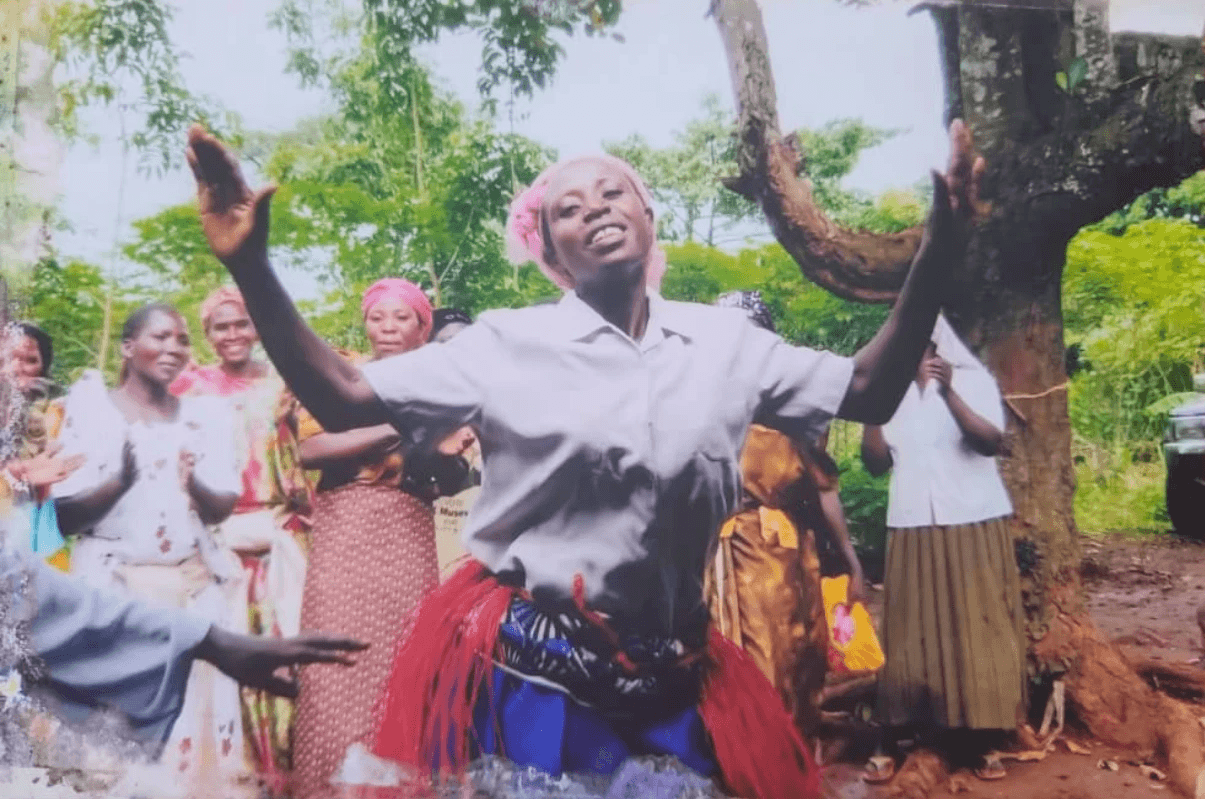
A decade is a long time in international development. Funding ends, Organisations move on, and too often, the communities left behind are expected to carry forward what they were given, without the resources, the markets, or the continued support to make it work.
In 2024 and 2025, Bees Abroad commissioned a long-term impact assessment of several projects including the Hoima project cluster in Western Uganda with sixteen communities trained in beekeeping between 2012 and 2016. The assessment was led by Dr Samuel Kaheesi Kusiima, a director of the Bigasa Sustainable Development Foundation, who was part of the original project and has since completed a PhD at Makerere University examining ecosystem services and community well-being. His findings were both rigorous and, in the best possible way, surprising.
Of the ten communities revisited, eight are still actively beekeeping. On average, members earn the equivalent of an extra month's salary each year from honey sales alone.
But that number only tells part of the story.
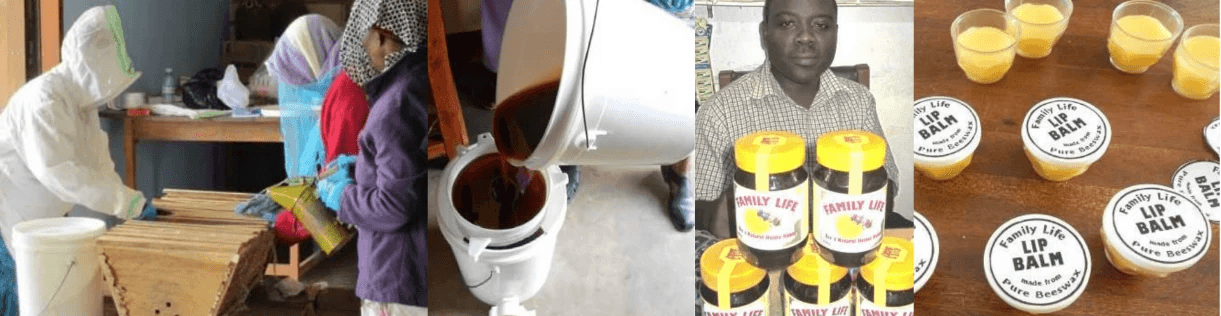
What people did with what they earned
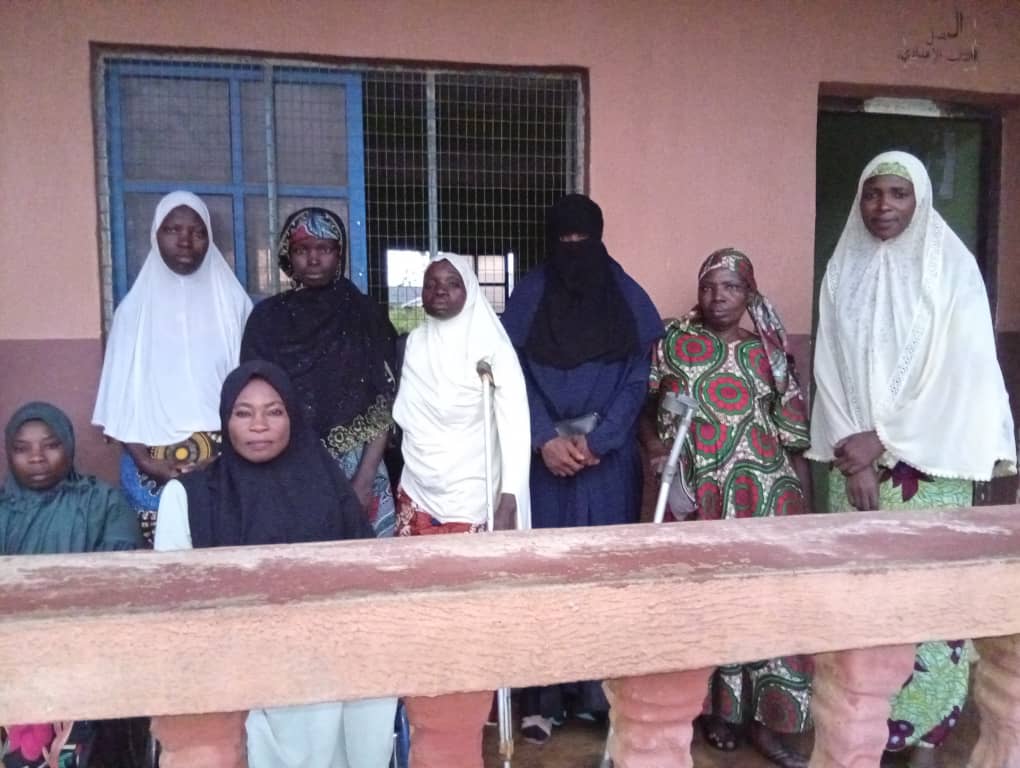
The Kyakiiza Women's Group was formed in 2012, when eleven women came together with a shared goal: to improve their economic lives through beekeeping. Today, seven remain active. Each harvests approximately 30–35kg of honey per year, generating between UGX 200,000 and 250,000 annually from sales.
What they chose to do with that income is where the story gets interesting.
Sarah Kayonza invested UGX 200,000 from her honey sales into mushroom cultivation. That business now doubles her original beekeeping revenue. Two other members, Immaculate and Mbabazi, pooled their honey income to start a small piggery. With one sow producing two litters of at least eight piglets each year, the enterprise generates around UGX 1,000,000 annually.
"Money from this small pig business has helped us a lot to improve our well-being."
The group's success also attracted attention beyond Bees Abroad. When their original hives could no longer be maintained, World Vision stepped in with replacements — impressed, their report noted, to see women thriving in what is widely perceived as a male-dominated field.
Across the cluster, the pattern repeated
What made the Hoima findings so compelling wasn't one standout group. It was how many communities had found their own way forward, independently of each other and of Bees Abroad.
The Wambabya Women's group is now selling cooperatively to a buyer in Hoima town — a commercial relationship they built entirely on their own. The Tulibamu Bujalya group reported something their original training never set out to achieve: a measurable increase in crop yields, a direct result of keeping bees. The Tweimukye Women's group inspired neighbouring farmers to take up beekeeping without any prompting from Bees Abroad. And the St. Joseph Bujumbura Kolping Family have been reinvesting their honey income into cattle, pigs, and a brass band-making business.
One member of the Tugonzangane Katanwa group now manages 200 hives.
Hoima District, independently impressed by the performance of the Kyabatalya Kombaho Women's group, made their own additional investment in the community's beekeeping.
Ten years on
None of this happened because Bees Abroad stayed involved. It happened because the original investment, in knowledge, in equipment, in local ownership, was built to last.
Dr Kaheesi's assessment, conducted across ten communities a full decade after training ended, is one of the most thorough long-term evaluations Bees Abroad has undertaken. Its conclusion is straightforward: when beekeeping is introduced well, and communities are supported to lead it themselves, it takes root.
The next generation
Right now, Bees Abroad is raising £13,196 to fund three new projects across Rwanda, Tanzania, and Uganda. The young beekeepers in Ngororero, the farmers deploying elephant bee fences in Tanzania, the students at the Bulhalho Foundation in Uganda, they are at the beginning of a journey that, if Hoima is anything to go by, will still be running in 2035.
The communities we support today don't need us indefinitely. They need a foundation strong enough to build on.



Donate