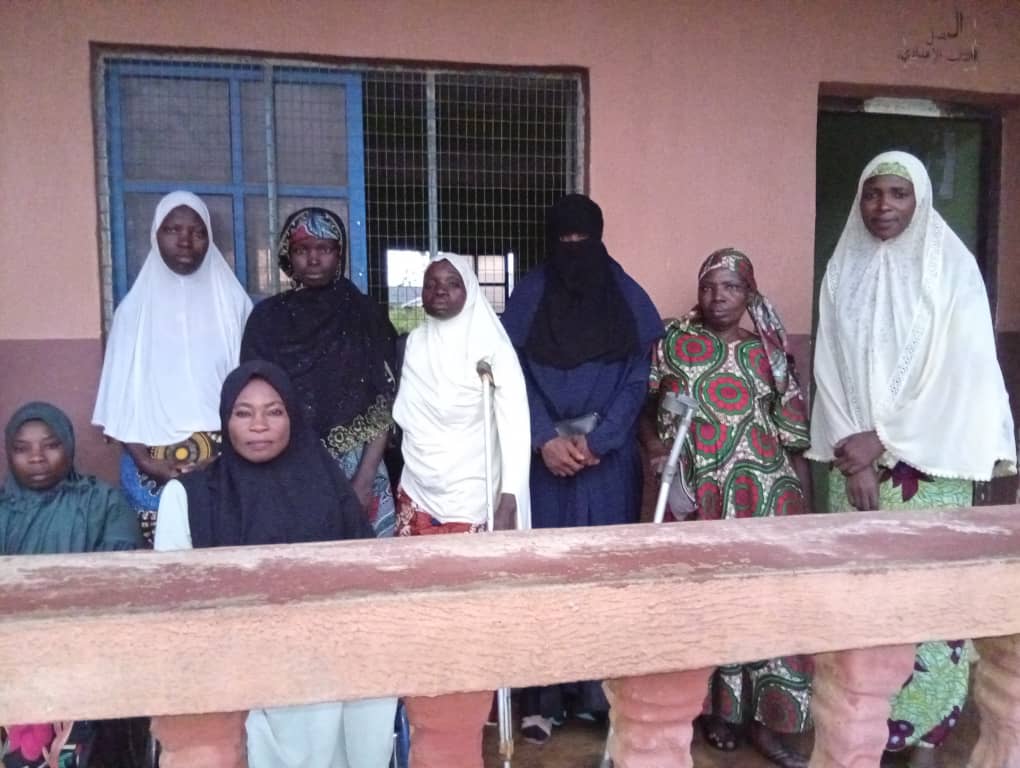
In Iwo, in southwest Nigeria, forty women already know what it takes to keep bees. They run an apiary together, meet every Thursday, and sell their honey at the local market. What they wanted was a way to do more with it. This May, they took the first step.
A full room on day one
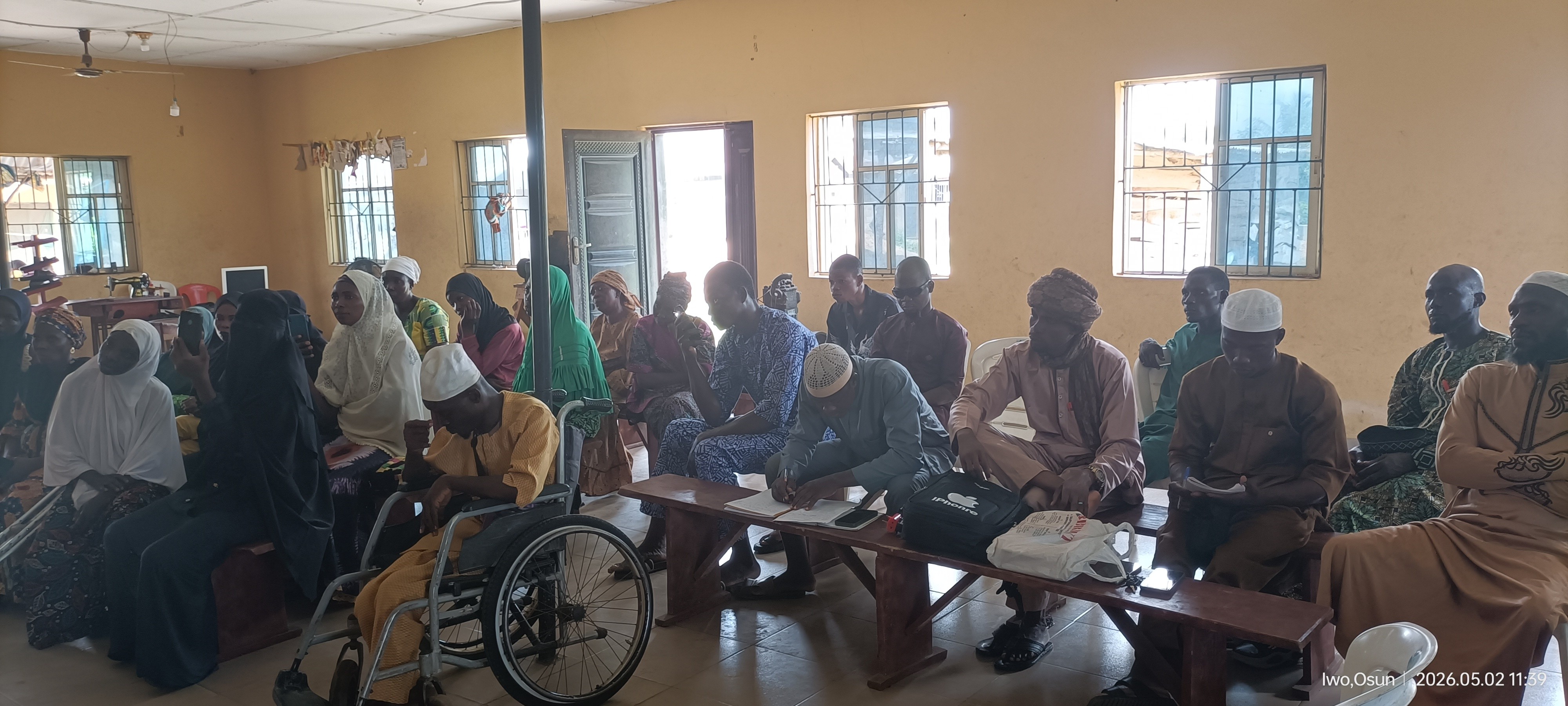
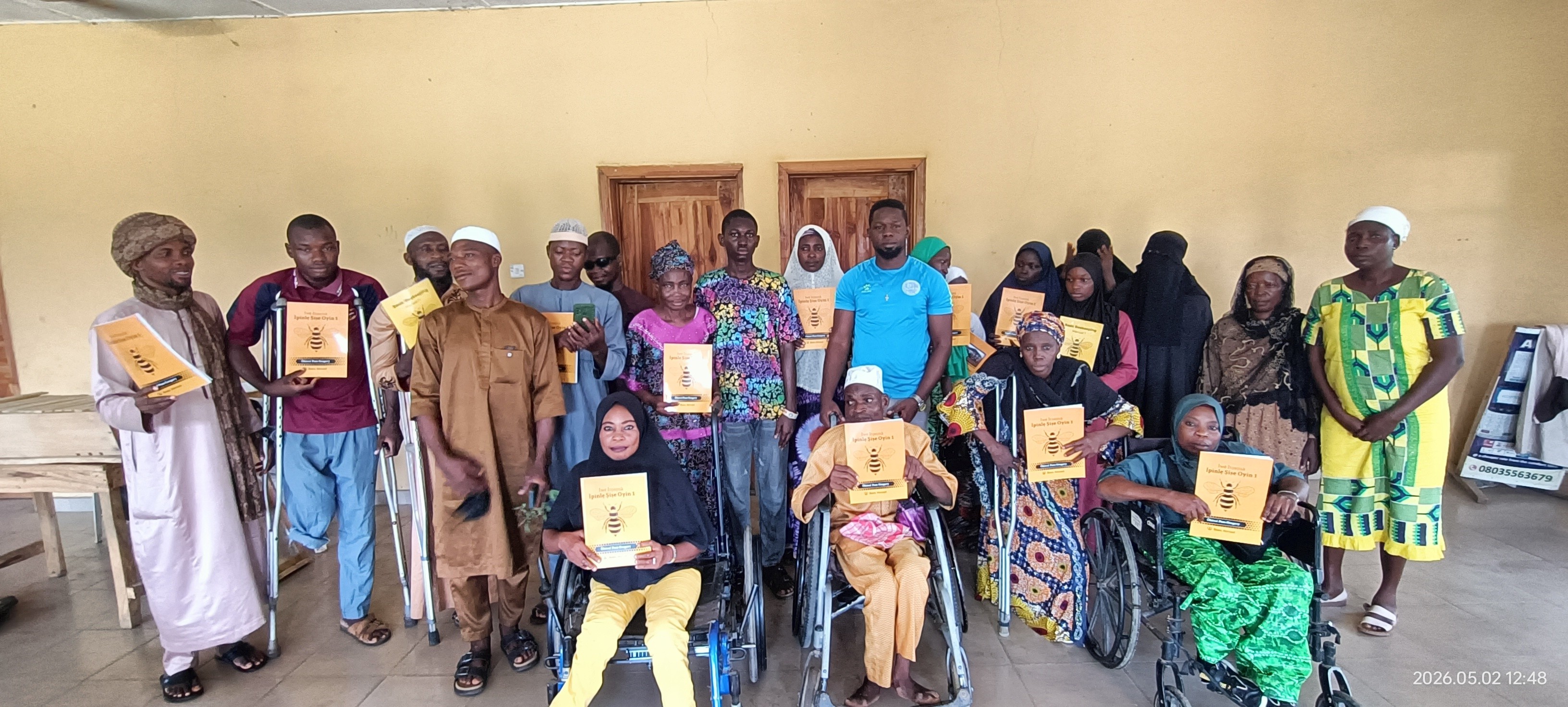
At the start of May, the Ifelodun Beekeepers Farmers Association held its first classroom training. It ran over two days and covered the foundations: how a colony works, how to spot a healthy hive, how to harvest and process honey cleanly, and how to turn all of it into a steadier income. The turnout said plenty. Twenty-eight women came on the first day and twenty-five on the second, and on both days more people arrived than had put their names down.
Learning by teaching
Leading the sessions were two of our newer trainers, Ayobami Ajayi and Oluwajimi Oreyemi. They worked under Mr Babatunde Oreyemi, known to everyone as Mr Tunde, who has trained beekeepers across southwest Nigeria for more than twenty years. Ayobami and Oluwajimi are building their own experience by teaching, and that is part of the design. The knowledge moves from Mr Tunde to the younger trainers, then to the women, and in time from this first group of women to the next.
Built for the next three years
The project runs for three years. Among the group are women who use wheelchairs, and the training is designed so they can take full part, including in the work they can lead, such as processing honey and making products. Over the three years, the women will build modern hives, make their own protective gear, manage their colonies through the seasons, and move into products beyond raw honey, from soaps and creams to candles and polish. Those who meet the standard are assessed and certified at the end of the first year.
None of this starts from nothing. These are already working beekeepers, with carpentry and tailoring skills in the group that feed straight into the craft. The project gives them better methods, better equipment, and the confidence to sell more of what they make.
Skills that outlast the project
This is the kind of work Bees Abroad has supported for twenty-five years. Not handing a community a finished thing, but helping people grow skills that stay with them long after a project ends.
Twinned with the Wild Bee Company
The project does not stand on its own. It is twinned with the Wild Bee Company, founded by Moni, who chose to back the women of Ifelodun for the full three years.

Twinning is more than a one-off gift. It is a relationship. The Wild Bee Company is tied to this particular group in this particular place and will follow their progress from the first classroom session to the first harvest and beyond. As the women grow their skills, Moni and the Wild Bee Company advance alongside them.
Follow the journey
Forty women. One shared apiary. A craft they already practise and now mean to master. We will keep sharing their story as the hives fill, and the first harvest comes in.
Keep up with everything Bees Abroad on social media. Instagram · Facebook · LinkedIn. And if you would like to help more groups like Ifelodun get started, you can support our work. Click the button below to know more.
You might also like




Donate