
Why We Share Our Work
At Bees Abroad, we believe transparency builds trust.
This page brings together detailed case studies and annual reports that show how our community-led model works in practice.
We share both successes and lessons learned — because meaningful change takes time, listening, and accountability.
A closer look at how our projects unfold, what changes, and what we learn along the way.
IN PROGRESS

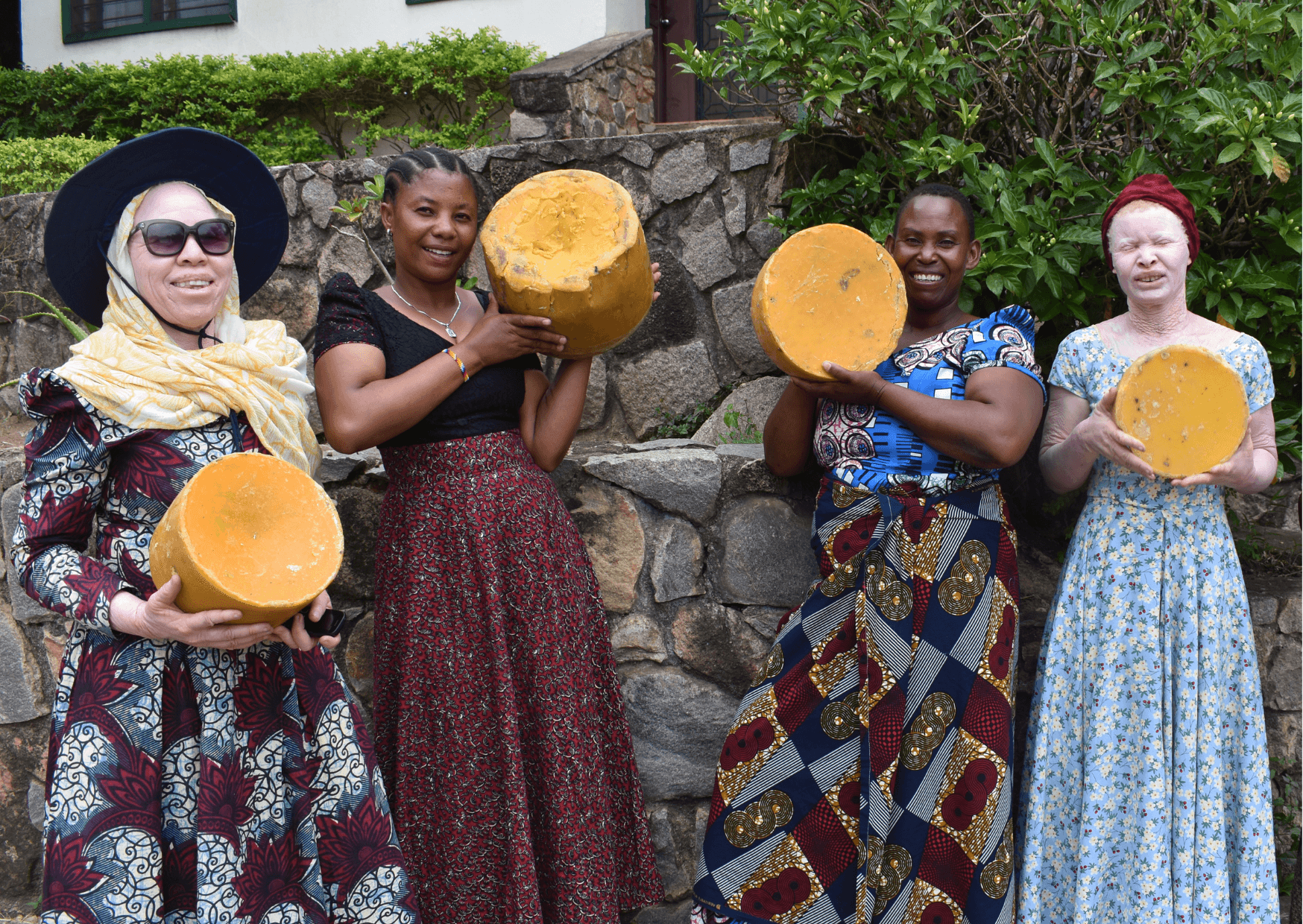
MamaHive
A beeswax-based social enterprise supporting women and families living with Albinism.
Participants
12
Duration
3 Years

Enterprise

Women

Disability

IN PROGRESS
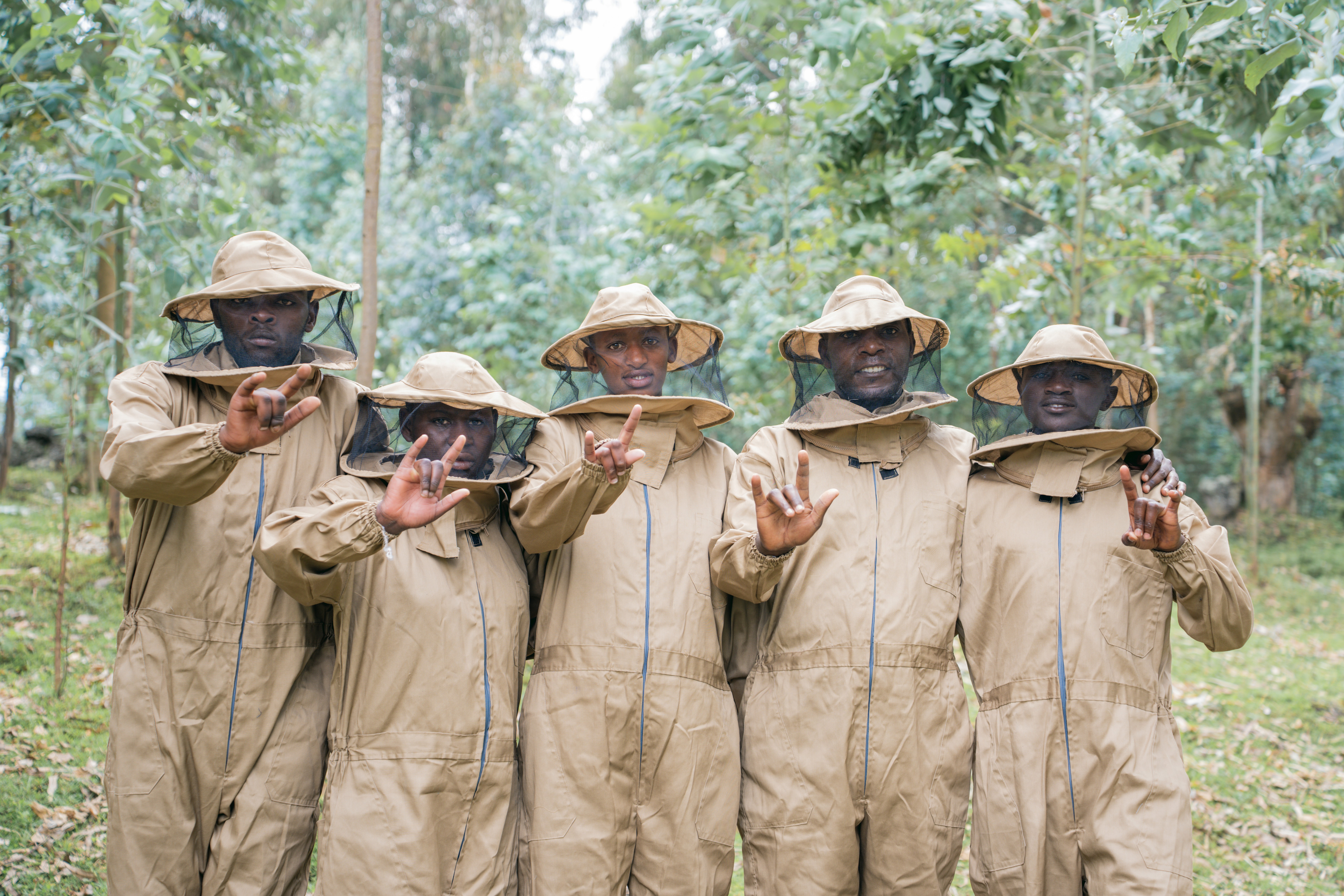
Umutara Deaf School
Providing vocational beekeeping training for Hearing Impaired students who face discrimination in the job market.
Participants
30+
Duration
7+ Years

Youth
Disability

IN PROGRESS

Ifelodun Beekeepers Farmers Association
This group took up beekeeping not only to produce honey but to naturally boost their fruit tree yields.
Participants
42
Duration
3 Years
Women

Pollination

Conservation
IN PROGRESS
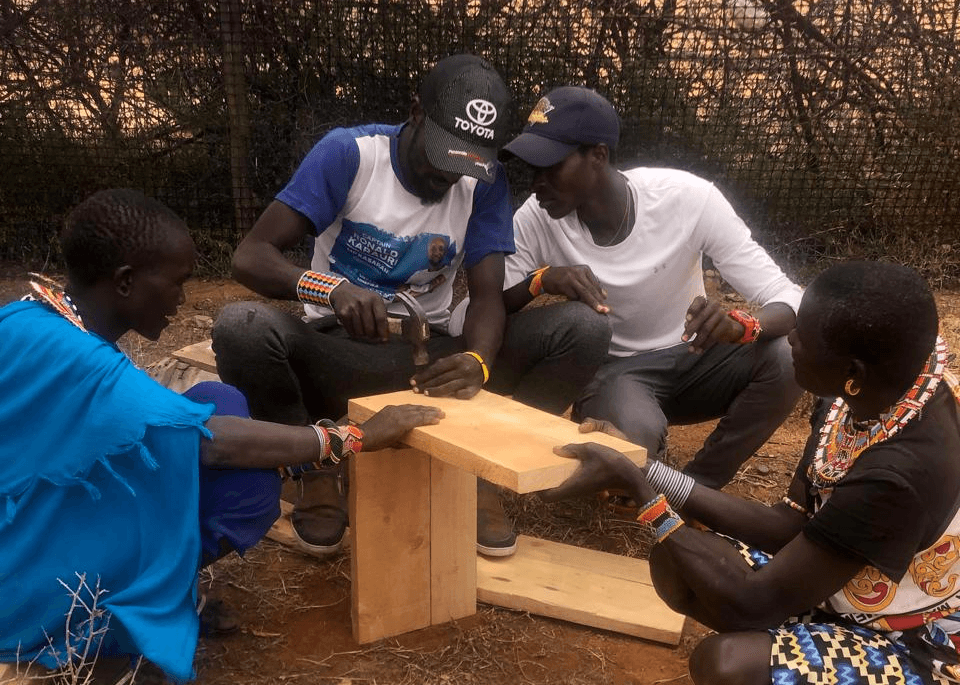
Laikipia Maasai Community
This group has chosen beekeeping alongside farming, handicrafts, and tailoring to improve their livelihoods.
Participants
30
Duration
3 Years
Women

Community
IN PROGRESS

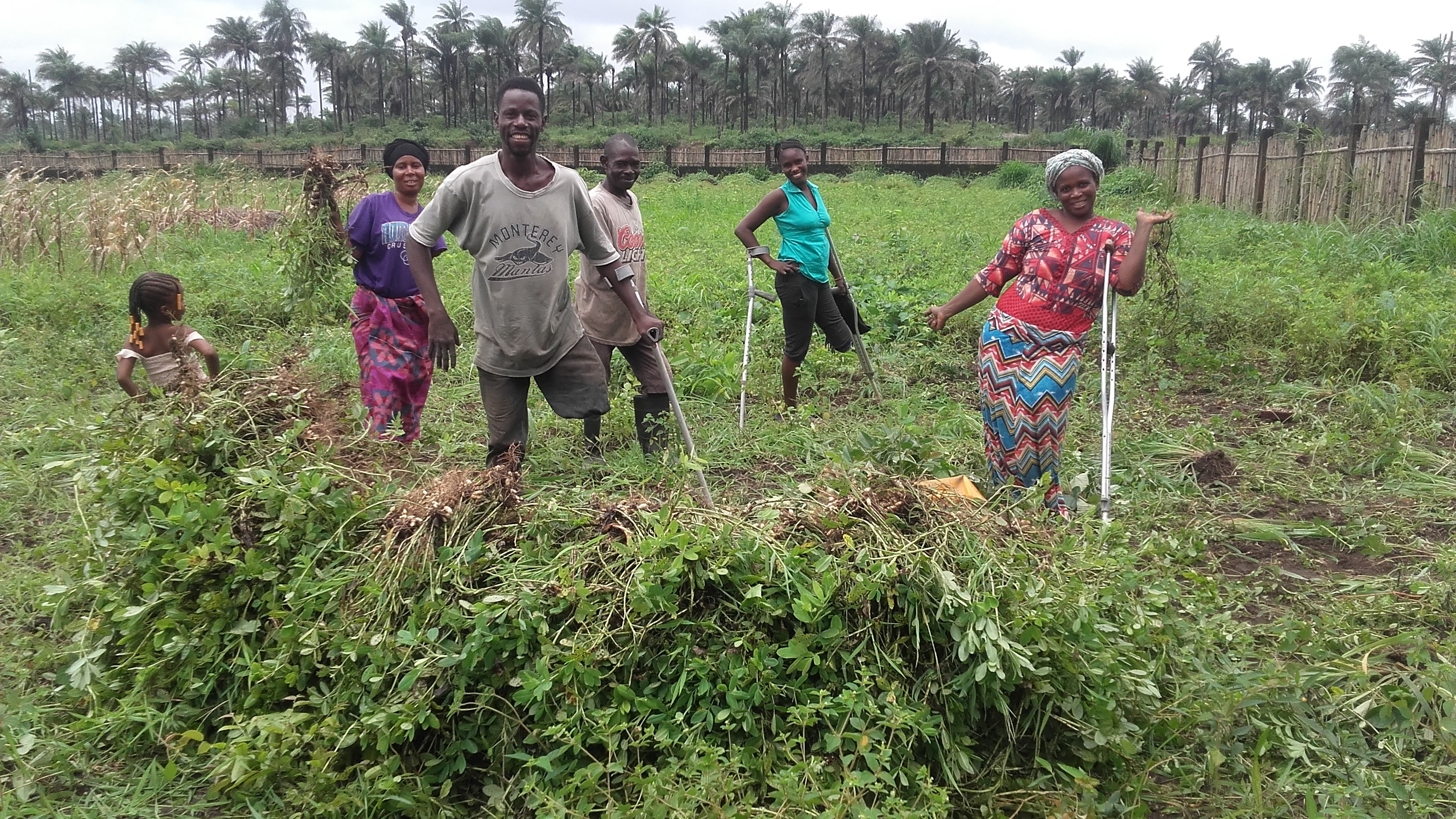
Bee Farmers on Crutches
We're working with a local NGO to incorporate beekeeping in to a permaculture course tailored for amputees.
Participants
74
Duration
4-5 Years

Crops
Disability
IN PROGRESS

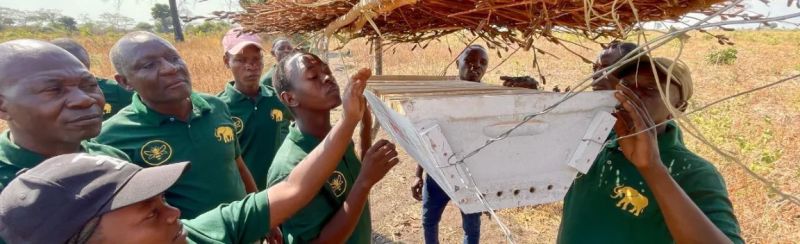
Rukwa–Katavi Coexistence Programme
Women's groups turning honey into income streams, and farmers gaining training and tools to protect their harvests without harming wildlife.
Participants
32
Duration
3 Years
Women
Conservation
Community
IN PROGRESS

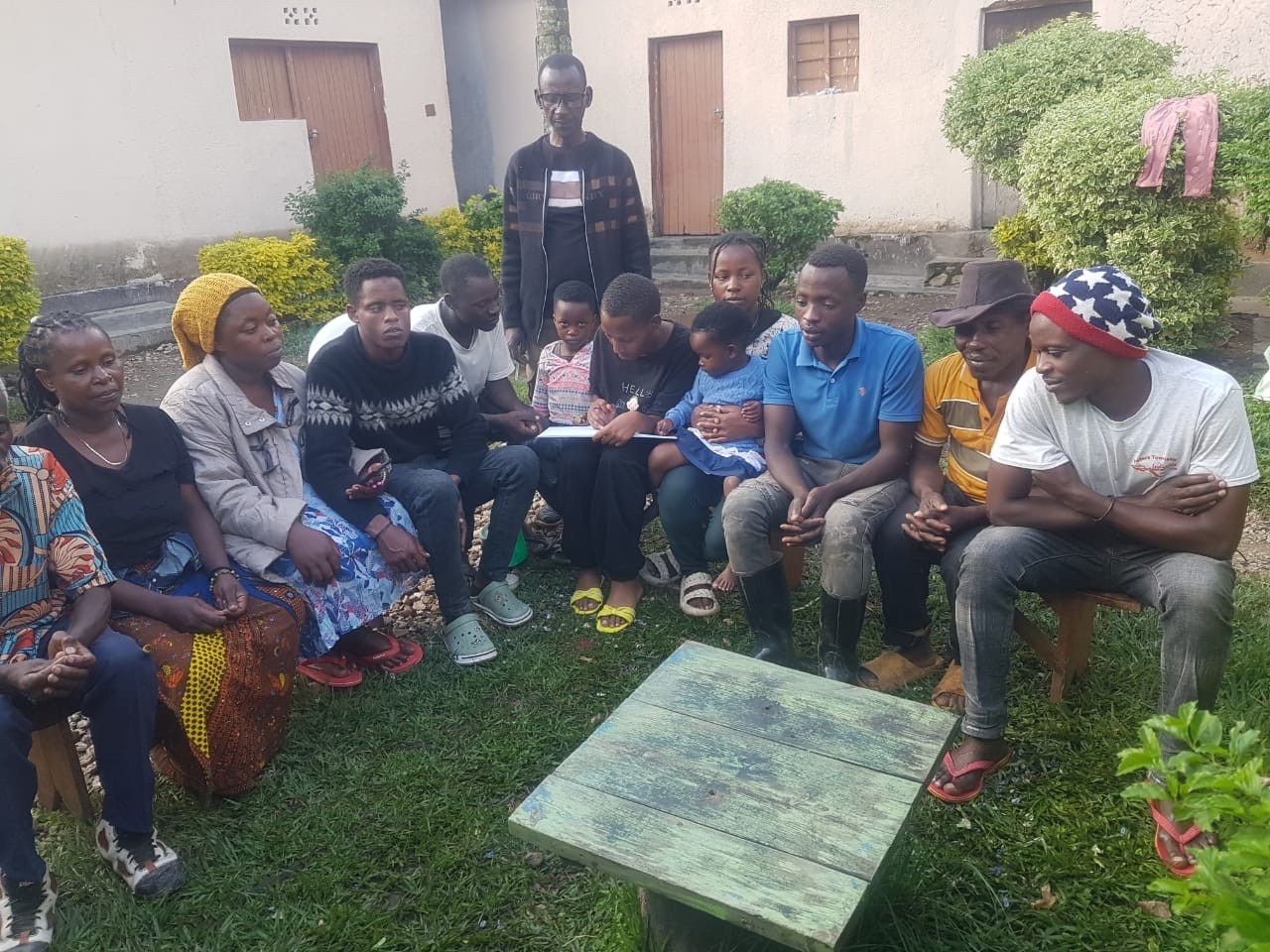
Ngororero Young Beekeepers
Young beekeepers training and managing four apiaries across two villages, with access to rich forest forage, and good demand for honey.
Participants
31
Duration
3 Years
Crops
Pollination
Community
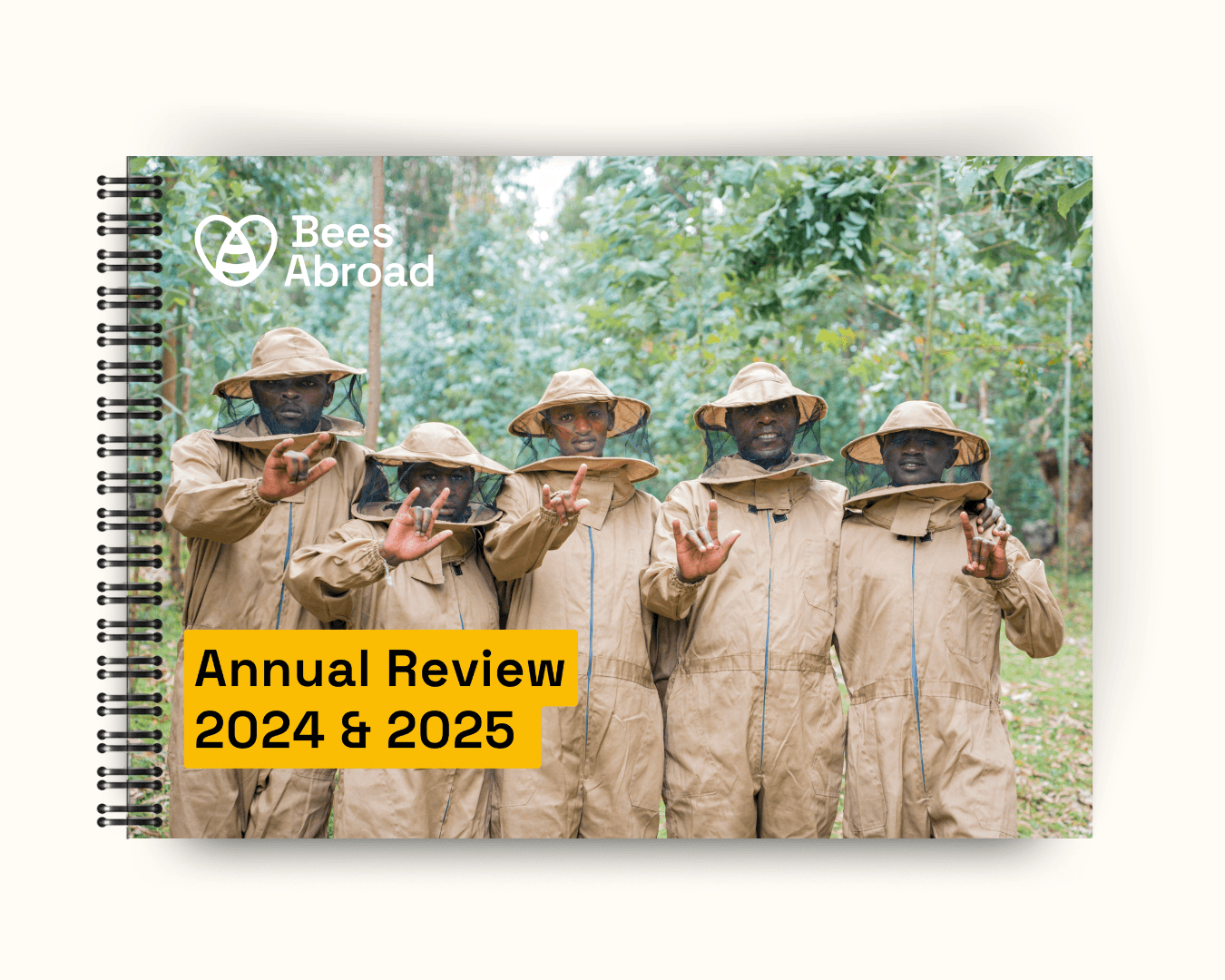
Access our annual reports that show how our community-led model works in practice.